A Designer's Review of the Officially Graduate SVG
When a new embroidery design lands in my digital library, my first question isn't "What does it look like?" but "How will it stitch?" I'm thinking about thread tension, fabric choices, and the final texture it will leave on a real product. The Officially Graduate SVG design, a staple in the T-Shirt Designs and Graphics category, is one I've considered for countless graduation projects. Here’s my practical evaluation of its potential from the hoop to the finished product.
The Immediate Mood and Visual Personality
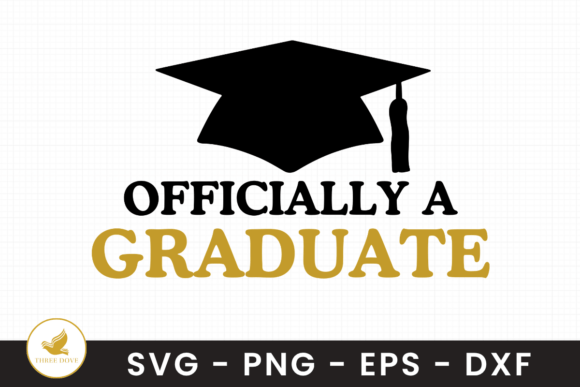
This design speaks in a clear, celebratory voice. The layout is inherently balanced and straightforward, which is a significant advantage for embroidery. It doesn’t rely on overly intricate details that could blur under a satin stitch. The theme is universal, of course, but its visual personality is clean and declarative—it’s an announcement. This makes it a fantastic candidate for projects where the message needs to be instantly recognizable, like a gift opened at a party or a product displayed in a small shop.
For an embroidery designer, this simplicity is gold. It translates well into stitch paths without requiring excessive digitizing tweaks. The shape suggests it would work beautifully as a centered motif on a sweatshirt embroidery or as a bold statement on a tote bag design. I immediately picture it on a dark navy hoodie with bright white and gold thread, or stitched onto a canvas tote for a graduate heading off to college.
Performance in Real-Life Embroidery Projects
Let’s walk through a real scenario. A client orders a custom embroidered tote bag as a gift for their niece graduating in 2026. They want something durable, stylish, and personal. The Officially Graduate SVG file is my starting point.
On a sturdy canvas tote, this design would hold its own. The expected stitch density for such a graphic is manageable, meaning it won’t create overly stiff patches on the fabric. I’d likely use a combination of a fill stitch for the main elements and satin stitches for the lettering to give it a professional, clean finish. The high-resolution PNG provided is excellent for creating printable mockups to confirm placement with the client before I ever load the hoop.
Its versatility shines across the board. For baby embroidery on a little graduate’s bib or romper, you’d scale it down carefully. For a embroidered patch, it’s a perfect self-contained motif. On custom apparel like caps, the curved surface requires attention, but the design’s lack of extreme fine detail means it can adapt without losing clarity. It’s equally suited for holiday embroidery projects—think commemorative pillow covers or kitchen towels for a graduation party.
Where This Design Demands Extra Care
No design is universally perfect, and a practical review must highlight considerations. The Officially Graduate SVG, while clean, has areas that warrant a tester run on scrap fabric.
If you’re working on very small hoop sizes, the lettering and any enclosed details need inspection. Stitching on textured fabrics like some sweaters or on thin fabric like lightweight tees requires the right stabilizer to prevent puckering. For dark fabric, your thread color contrast is paramount—a mockup in black and white can help visualize the final impact.
I’d be cautious using it on highly stretchy fabric without extensive testing, as the design’s solid areas could resist movement. Also, for products destined for frequent washing, like aprons or activewear, ensuring your stitch density isn’t too high will improve longevity. Always, always test first.
Impact on Product Value and Customer Perception
From a business perspective, this design is a reliable design asset. When stitched well, it elevates a simple garment into a personalized gift. Its clarity and recognizability boost customer trust—they see a professional, finished product, not a messy experiment. For an Etsy seller or small shop product, this consistency is key for brand consistency.
The giftability is high. It feels commemorative and special. As a handmade product, an embroidered item using this design has a tangible warmth that a printed graphic lacks. For commercial embroidery projects, such as a batch of shirts for a school event, its straightforward nature means efficient production and a uniform, high-quality result that engages buyers.
Practical Notes for the Embroidery Designer
Before you commit this design to a final project, here is my standard checklist:
- Run a test on the actual fabric texture you plan to use, even if it’s just a small corner.
- Check thread color contrast against both light and dark background mockups.
- Review the inherent stitch density in the file and adjust if necessary for your specific fabric.
- Confirm the physical hoop size needed to accommodate your desired scale.
- Inspect any small details or corners in the design that might need digitizing tweaks for your machine.
- Use appropriate stabilizer for the fabric and project type.
- Crucially, verify the licensing terms included with the digital embroidery file to confirm it is suitable for both personal and commercial embroidery projects if you intend to sell finished items.
The product description notes it includes an SVG and a high-resolution PNG. As an embroidery file, you will likely be converting or using it as a basis for digitizing in your embroidery software. Ensure you understand the compatibility and how the scales translate.
The Final Stitch: A Design Built for Real Projects
The Officially Graduate SVG isn’t just a graphic; it’s a blueprint for a successful embroidery project. Its strength lies in its adaptable, clear composition that translates well from screen to stitches. It fits naturally into the workflows of hobbyists creating heartfelt gifts and entrepreneurs building their craft business inventory.
By approaching it with a professional’s practical mindset—testing, planning for fabric, and considering the end-user—you can transform this digital download into a tangible product that carries real weight and celebration. That, in the end, is what good machine embroidery design should do: make the maker’s process smoother and the finished product more meaningful.