Cute Coffee Mugs: An Embroidery Designer’s Practical Review
Whenever I open a new design file, my first question is always: will this translate? Not just on screen, but under the needle, on fabric, and ultimately, in the hands of a customer or client. Today, I’m looking at Cute Coffee Mugs Line Art, a set of six black and white illustrations. This isn't about a product description; it's about evaluating this design from the perspective of someone who needs to stitch it, sell it, or gift it.
The Immediate Mood and Project Fit
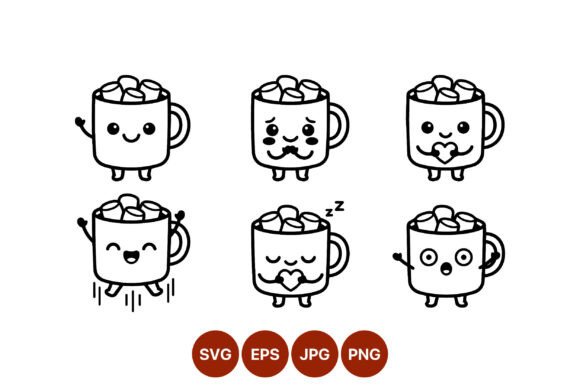
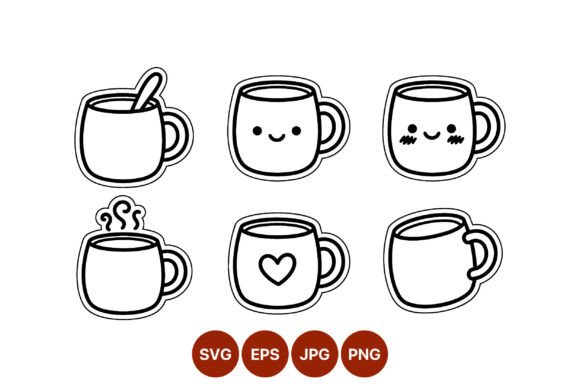
The first impression of Cute Coffee Mugs Line Art is friendly and approachable. The smiling faces and blushing cheeks on the mugs create a warm, whimsical personality. It’s not overly cartoony, but it has a gentle charm. As a line art set, the detail level is clean and defined, which is excellent news for embroidery. These aren't dense, filled illustrations; they are outlines with key accents like steam and a heart icon. This visual personality feels perfect for casual, gift-oriented projects. I immediately thought of kitchen towels, apron pockets, tote bags for a coffee-loving friend, or a cozy detail on a sweatshirt. The theme is universal but sweet, landing squarely in the realm of personalized gifts and small shop merchandise.
Where This Design Thrives in Real Projects
Let’s walk through a real scenario. Imagine a client requests a custom embroidered tote bag as a birthday gift for a colleague who is a known coffee enthusiast. You need a design that is charming but not childish, clear in its stitching, and recognizable at a glance. Cute Coffee Mugs Line Art fits this bill beautifully. The individual mug motifs give you options: you could use just one with the heart icon for a subtle touch, or cluster a few smiling mugs together for a more playful layout.
Beyond tote bags, this set performs well across a range of real-life embroidery situations. The black and white nature makes it versatile for both light and dark fabric backgrounds, provided you choose your thread colors wisely. I see strong potential on:
- Custom Apparel: A single mug on the cuff or chest of a sweatshirt, or a small line on a t-shirt.
- Home Goods: Pillow covers, tea towels, or simple nursery decor for a parent who loves their morning brew.
- Small Business Merchandise: For an Etsy seller or boutique focusing on cozy, kitchen, or handmade themes, these mugs could become a signature element on patches, aprons, or simple caps.
- Gift Items: Holiday gifts, wedding gifts for a couple (using two mugs), or personalized baby items (think a bib with a tiny steam mug).
The inclusion of multiple file formats—SVG, PNG, JPG, EPS—means it’s ready not just for your embroidery machine, but for creating printable mockups for your shop listings or digital product previews if you’re a digital product seller. It’s a complete design asset pack.
Considerations for Stitching and Application
As a practical designer, the excitement about a design’s theme is always tempered by the realities of the hoop. Here’s where I’d exercise careful judgment with Cute Coffee Mugs Line Art.
The line art style means that the outlines will likely be translated into running stitch or a light satin stitch. The smaller details—the smiling eyes, the blushing cheeks, the tiny steam lines—are crucial. On very small hoop sizes, these details could become lost or muddy if your stitch density is too high. They need clarity.
I would advise testing this design on scrap fabric first, especially if you plan to use it on:
- Textured or Stretch Fabrics: Like thick sweaters or jersey knits, where fine lines can distort.
- Dark Fabrics: Using a white or light thread is fine, but check the contrast; you might need a slightly heavier weight stitch for the design to pop.
- Curved Surfaces: Such as caps. The circular shape of the mugs themselves could be slightly challenged on a curved seam; proper stabilizer is key here.
- Products for Frequent Washing: Kitchen towels or baby clothes. Ensure your stitch choices are secure and won’t snag easily.
This isn’t a design with large fill stitch areas, so thread consumption and time should be reasonable, but always inspect those small details in your test run.
Impact on Your Craft Business and Customer Perception
How does using Cute Coffee Mugs Line Art affect the final product’s appeal and your business? A well-executed line art embroidery design conveys a sense of handmade precision. It feels intentional and clean. For a customer, that translates to product value and trust—they see a crisp, friendly design that’s been professionally applied.
For your brand, if you specialize in cozy, giftable, or kitchen-themed items, this design can contribute to consistency. It’s easily recognizable and has a high “giftability” factor. People understand a cute coffee mug immediately; it’s a welcoming, non-niche symbol. In a craft fair setting or an Etsy listing, products featuring this design will engage buyers looking for something personal, cheerful, and slightly nostalgic.
Final Designer Notes Before You Hoop It
My final thoughts are always a checklist. For Cute Coffee Mugs Line Art, here’s what I’d do:
- Open all the files. Examine the EPS and SVG in your software to check the line integrity and ensure there are no unintended open paths that could confuse your embroidery machine.
- Plan your thread colors. Black and white art doesn’t mean you must use black and white thread. Consider a warm brown for a “coffee” feel, or a pop of color for the heart.
- Compare it on light and dark background mockups digitally before you stitch. This helps visualize the final product.
- Confirm the licensing terms for this artwork. Since it’s categorized as Illustrations/Graphics, understand if your use for commercial embroidery projects—selling the finished tote bags or patches—is covered. Never assume.
- Remember the strength of choice. With six mugs, you have options. Mix and match, use one, or use all. This flexibility is a practical boon for tailoring projects to different clients or product lines.
In essence, Cute Coffee Mugs Line Art is a versatile, charming set that, with careful attention to stitch execution on appropriate projects, can become a reliable asset in your embroidery design library. It speaks a simple, happy language that stitches well and sells even better.