A Designer’s Take on the Retro 1776 USA SVG
Let’s talk about that Retro 1776 USA SVG file. As someone who evaluates embroidery designs for real client projects and my own small shop, I look at a file like this not just as a graphic, but as a potential stitched product. My first question is always: what will this feel like when it’s embroidered onto something real?
The Immediate Mood & Where It Belongs
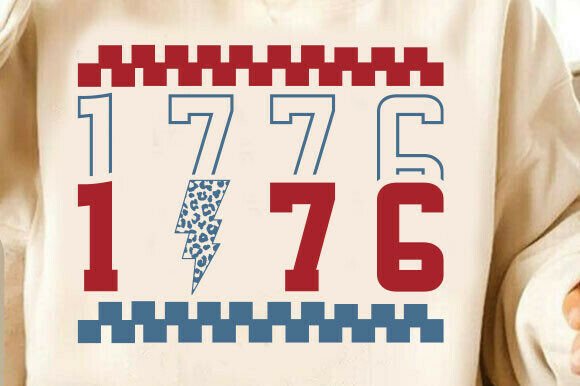
Opening this file, the vibe is unmistakable—it’s nostalgic, celebratory, and proudly American. The retro styling isn’t overly fussy; it has a clean, bold personality that translates visually into confident shapes. That’s a huge plus for embroidery. This isn’t a design meant for a tiny, intricate corner of a tea towel. It feels built for a statement piece.
In my mind, I immediately picture it on a heavyweight sweatshirt or a sturdy canvas tote bag. It’s a design that demands a decent canvas. I also see it working wonderfully as a standalone embroidered patch, or as the centerpiece on a baby’s keepsake blanket or a crisp apron for a holiday gift. The theme lends itself perfectly to personalized products for Fourth of July, Veterans Day, or any patriotic occasion. For a boutique or Etsy seller, this design could anchor a whole line of seasonal merchandise.
Performance in Real Embroidery Situations
So, how does this theoretical graphic hold up when we move to the machine? Based on the shape and layout, the Retro 1776 USA SVG suggests areas that would be excellent for solid satin stitch for the numerals and bold elements, with fill stitches for any larger fields. The clarity of the design means stitch definition should be good, provided the digitizing is sound.
On custom apparel like t-shirts, it would need careful stabilizer choice, especially on stretchy fabric. On a cap, given the curved surface, the design’s likely scale needs to be considered—it might need a slight reduction to sit comfortably on the crown. For a kitchen towel or pillow cover, it becomes a decorative accent that elevates a simple item. As a digital product seller, this file is a solid design asset for creating printable mockups or previews for customers.
The value here for a craft business is in its versatility. It can move from a baby embroidery item to a holiday embroidery gift to standard commercial embroidery on polo shirts without losing its core appeal. That recognition factor builds customer trust—people instantly understand the motif, which helps in handmade presentation and buyer engagement.
Careful Application: Where to Proceed with Caution
Not every design is for every project. With its bold, likely larger-scale nature, I would be cautious about trying to cram this into a very small hoop size. The details, especially if there are any tiny decorative elements or lettering within the 1776, could get lost or become a dense, stiff stitch area.
Textured fabrics like some sweaters or loose-weave linens might distort the clean lines. On dark fabric, thread color contrast is paramount—you’d need a bright, bold palette to make it pop. For products destined for frequent washing, like a child’s garment, the stitch density needs to be appropriate to maintain integrity over time. Always test on a scrap of your intended fabric first.
Affecting the Final Product’s Appeal
When executed well, this embroidery design adds substantial perceived value. It turns a plain sweatshirt into a themed, giftable item. It can reinforce brand consistency for a shop specializing in Americana or patriotic gifts. For the maker, it offers a professional, finished look that feels intentional, not generic.
The risk, of course, lies in execution. A poor digitization or wrong thread choice could make it look clunky. But the inherent strength of the Retro 1776 USA SVG concept is its visual simplicity, which gives the embroiderer a great foundation to build upon.
Practical Notes from the Embroidery Desk
Before you load this embroidery file into your machine, here’s my routine advice. Test it. Even a small sample on scrap material tells you about stitch density and any potential hiccups in small details. Check how it looks in both black and white digital mockups to gauge its form on light and dark backgrounds.
Review the provided file formats—the SVG, PNG, and EPS—for your specific use. For machine embroidery, you’ll likely be converting or using these as a guide, so ensure compatibility with your software. Confirm the licensing terms clearly for your intended use, especially if you’re selling the finished product or using it in commercial embroidery projects. Never assume.
Consider thread colors that enhance the retro mood—perhaps slightly muted or classic reds, blues, and whites rather than neon brights. On a tote bag design or sweatshirt embroidery, using a proper stabilizer is non-negotiable for clean results.
Ultimately, the Retro 1776 USA SVG is a graphic with strong embroidery potential. It’s a design that, when stitched with care, can become a standout piece in your lineup of handmade products, whether for your craft business, Etsy listings, or as a personalized gift. It asks for a thoughtful application, but rewards you with a clear, engaging finished product.