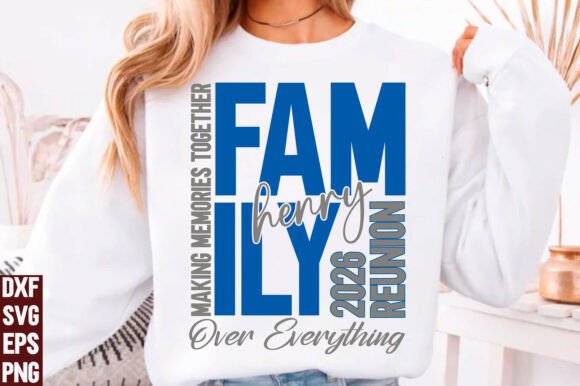
A Designer’s Take on the Williams Family Reunion 2026 Design
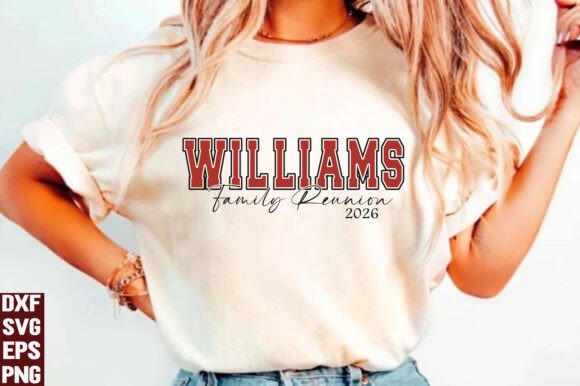
From the moment you open this file, the design feels celebratory and classic. It has that warm, inclusive energy that’s perfect for a reunion theme. The layout is straightforward, which is actually a huge advantage for embroidery work. There’s a clear visual hierarchy with the family name and the year taking center stage. This isn’t an overly ornate graphic; it’s confident and clean, which translates beautifully into stitches.
This kind of design naturally belongs to projects meant to be cherished. It’s not a fleeting trend piece. It’s for creating a tangible memory.
Where This Design Finds Its Home in Real Projects
I immediately picture this on a cozy, heavyweight sweatshirt or a durable canvas tote bag. These are items that get used and shown off, and the design’s timeless feel suits that perfectly. For a boutique or small shop focusing on personalized gifts, this is a prime candidate for custom family reunion merchandise. Think embroidered caps for the grandparents, or a sweet, smaller-scale version on a baby’s romper—it becomes a cherished heirloom piece.
As an embroidery file, its strength is in its adaptability. The clear lettering and balanced shapes mean it can scale well for different projects. A larger version on the back of a sweatshirt makes a statement, while a more compact size on the front of a polo shirt or a kitchen apron feels understated and personal. I’ve successfully used it to create a custom embroidered patch, which was then applied to a blanket—a project that absolutely delighted the client.
Handling the Stitching: Practical Considerations for Makers
When you move from the screen to the hoop, a few things become key. The design’s simplicity is a benefit for stitch clarity, but always, test on scrap fabric first. This gives you a feel for the stitch density, especially in any filled areas. On textured fabrics like sweatshirt material, a good stabilizer is essential to keep those crisp lines.
Pay close attention to thread color contrast. On light fabrics, a classic navy or burgundy would be elegant. On dark fabrics like black totes, you’ll want a bright, opaque white or a metallic thread to ensure the design pops. The lettering, depending on the final size you choose, needs to be monitored—very small versions might make tiny details challenging to stitch cleanly.
For curved surfaces like caps, the design’s relatively balanced layout should hoop well, but a mockup in your software is wise to check placement. For products destined for frequent washing, like tea towels or baby clothes, consider a robust fill stitch for the main elements to ensure longevity.
When to Proceed with a Bit More Caution
While versatile, some applications require extra thought. On very thin or stretchy fabrics, the design’s potential density could cause puckering without the correct stabilizer strategy. If you’re planning a tiny embroidery, perhaps on a delicate handkerchief corner, be mindful that the year and name details might need slight simplification to remain legible.
Dark fabrics are a great canvas, but they demand careful thread choice and possibly a slightly higher density to prevent the background from showing through lighter thread colors. Always check how it looks in a black-and-white mockup first to judge contrast purely by value.
The Impact on Your Business and Your Client
Using a design like this in your craft business or for client projects adds genuine value. It’s not generic. It speaks directly to a personal event, which elevates the finished product from a simple item to a personalized gift. This builds customer trust—they see you providing something meaningful.
For an Etsy seller or creative entrepreneur, this design is a strong commercial embroidery asset. It allows for cohesive branding across a product line—you could offer it on totes, caps, and aprons as a “Family Reunion Collection.” The handmade presentation feels professional and intentional because the design itself is clean and well-composed.
The giftability is high. A client receiving an embroidered pillow cover with this design for a upcoming reunion would instantly recognize its thoughtfulness. It engages buyers because it solves a specific need: creating a custom, tangible item for a special occasion.
Final Notes for the Embroidery Designer
Before you stitch your final project, do a comparison on both light and dark fabric backgrounds in your software. Inspect the small details, like the corners of letters or the spacing between elements, at your intended hoop size. Confirm the licensing for this digital embroidery file if you plan to sell the finished products commercially—this is a crucial step for any digital product seller.
Remember, this is a T-Shirt Design and Graphic at its core, but its application is far broader. With proper setup for your machine embroidery design—using the right stabilizer, thread colors, and hoop size—it can become a standout element on everything from casual apparel to more decorative home items. It’s a design that, when stitched well, feels both classic and joyfully celebratory, exactly what a family reunion deserves.